

The global demand for sustainable and clean energy solutions has made scientific innovation more important than ever. Computational science, combined with artificial intelligence, is playing a key role in accelerating research in renewable energy technologies.
Researchers are using advanced simulations to develop efficient energy storage systems, improve battery materials, and design next-generation fuel cells. These computational methods help analyze material properties at the molecular level, enabling faster identification of high-performance energy materials.
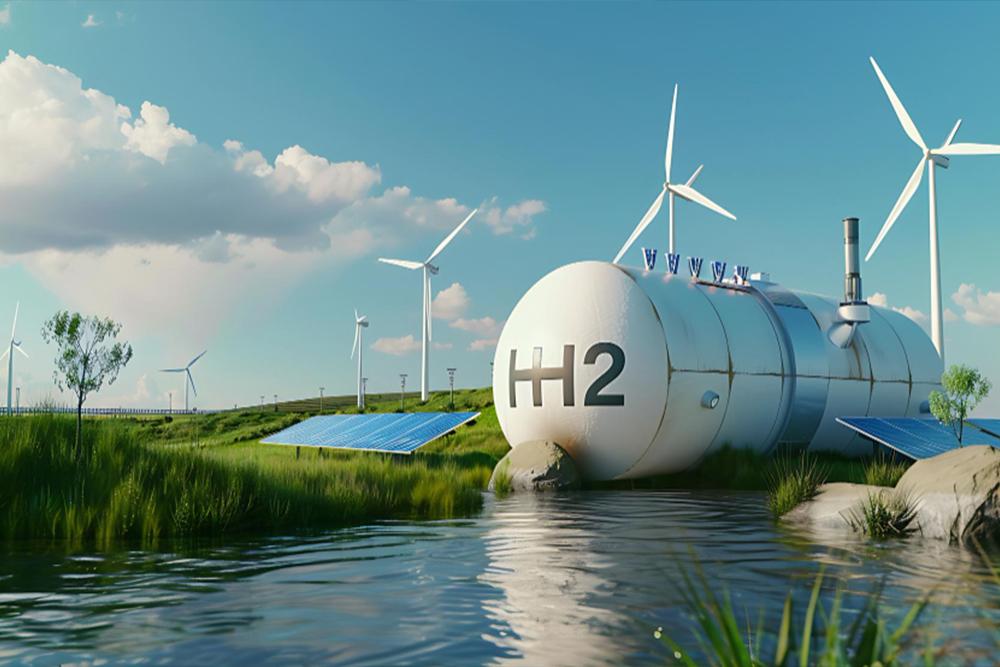
Green hydrogen technology is another major area of focus. AI-driven models are being used to optimize hydrogen production processes, making them more efficient and cost-effective. Similarly, carbon-neutral technologies are being developed to reduce environmental impact and support global sustainability goals.
Carbon capture and storage research also benefits from computational approaches. Scientists can simulate different materials and chemical processes to identify the most effective solutions for capturing atmospheric carbon dioxide.
By reducing reliance on traditional trial-and-error methods, computational science significantly speeds up innovation while lowering costs. It also enables researchers to explore a wider range of possibilities that would be impossible to test experimentally.
As the world moves toward a low-carbon future, the integration of AI and computational research will remain essential in developing scalable, efficient, and sustainable energy solutions.